About this service
Land clearing turns a treed, brush-choked parcel into ground you can build, farm, fence or simply walk across. It is tree work at project scale: multiple removals, brush and understorey management, stump handling across a whole site, and a debris plan for everything that comes down — sequenced around permits, protected trees and whatever the land is being cleared for.
Through ArborReach USA, property owners, builders and developers can reach local land-clearing services with the equipment the job actually needs — from a single overgrown lot to multi-acre site preparation. This page explains how clearing projects are planned, the methods involved, and the questions that decide whether a clearing goes smoothly.
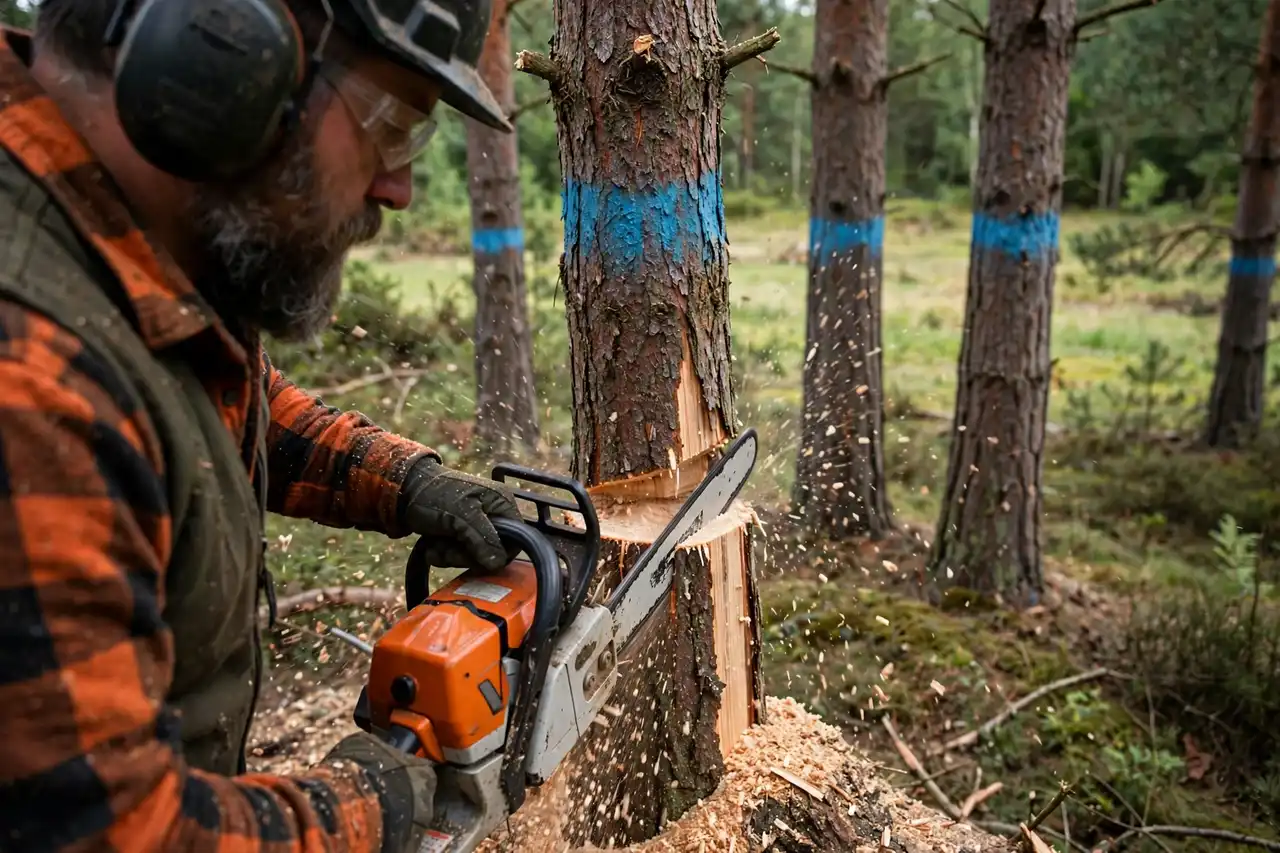
Projects that call for land clearing
- A home or building site. New construction needs the footprint, driveway and utility corridors cleared — selectively, keeping the trees that make the finished property valuable.
- An overgrown or inherited lot. Years of volunteer saplings, invasive brush and dead standing trees turn a usable parcel into a thicket; clearing resets it.
- Fence lines, drives and access. Rural and suburban properties alike need corridors opened for fencing, gates, lanes and fire access.
- Pasture and field reclamation. Encroaching treelines steal grazing and crop ground a few feet a year; clearing takes the field back to its fences.
- Fire-risk reduction. In fire-prone regions, clearing ladder fuels and creating defensible space around structures is standing maintenance, not a one-off.
- View, solar and drainage projects. Opening a view corridor, admitting sun to a solar array, or clearing a swale all call for planned, selective removal.
How the work runs
Site walk and marking
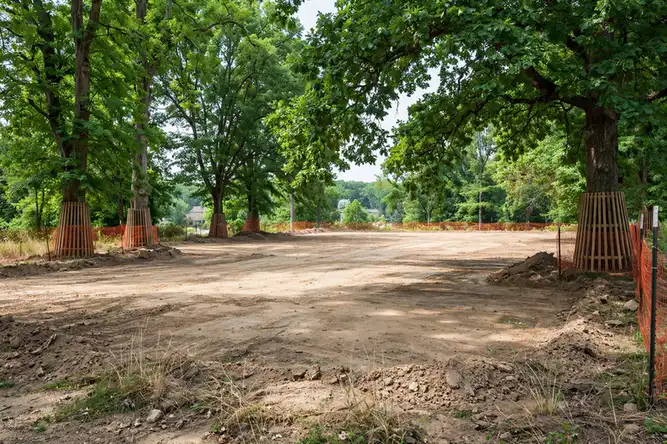
The project starts on foot: boundaries confirmed, trees to keep marked and protected, protected or permit trees identified, and the clearing limits agreed in writing.
Permits and notifications
Many jurisdictions regulate tree removal by parcel size, tree size or zoning; clearing plans are checked against local rules before the first machine rolls.
Access and staging
Equipment routes, a debris processing area and haul-off logistics are set up so the site works efficiently and neighbours are disturbed as little as possible.
Felling and removal
Trees come down by climber, feller or machine depending on density and what's being kept; keeper trees are worked around, never used as bumpers.
Stump and root handling
Stumps are ground, excavated or left per the land's next use — building sites and pasture have very different answers.
Debris and finish
Timber, chip and brush are processed per plan — hauled, chipped on site, stacked for habitat or burned where permitted — and the ground is left in the agreed condition.
In detail
Selective clearing: the trees you keep are the point
The difference between clearing and scalping is selection. A homesite cleared bare loses the shade, wind protection and value that mature trees would have given the finished house — and replaces them with saplings that need twenty years to matter. Good clearing plans work backwards from the finished property: which trees shade the house, frame the view, screen the road?
Keeper trees need active protection during the work: fenced root zones, no grade changes or trenching inside the drip line, and no equipment parking under the canopy. More site trees die from construction damage in the following three years than are ever felled deliberately — a clearing crew that understands that is the one you want.
Methods: hand, machine and mulch
Dense saplings and brush fall to forestry mulching — a machine that grinds standing vegetation into a mulch layer in place, fast and with no haul-off. Larger trees are felled and processed conventionally, with merchantable logs sometimes offsetting project scope. Around keeper trees, buildings and boundaries, climbers and hand crews do the surgical work machines cannot.
Most real projects blend all three, and the blend is decided tree by tree on the site walk. Be wary of any plan that proposes one method for an entire varied parcel — it usually means the plan was written from the road.
Permits, protected species and timing
Clearing is the most regulated end of tree work. Beyond tree ordinances, projects can touch wetland buffers, protected-species habitat windows (nesting seasons change when clearing can happen), erosion control requirements and burn permits. Agricultural and forestry exemptions exist in many states but have their own conditions.
None of this is a reason not to clear — it is a reason to plan the sequence before hiring iron. A reputable clearing provider will raise the regulatory picture on the first visit, because they are the ones standing on the site when an inspector arrives.
Clearing for construction: sequencing with the build
On building sites, clearing is one act in a longer play, and its timing relative to surveys, permits and earthworks decides whether it is done once or twice. The efficient sequence: survey and tree assessment first (which trees can stay is an engineering input, not a decoration), protection fencing for keepers, then clearing, then earthworks — with the tree protection still standing until the last trade leaves.
Builders who clear first and ask later discover the classic penalties: the one tree the planners required removed at cost, the protected tree felled by mistake, the keeper killed by a trench through its roots in month two. A clearing provider experienced with construction sites will ask about the build programme on the first visit; treat it as a quality signal.
What clearing leaves behind: ground truth
Agree the finish precisely, because 'cleared' means different things to different trades: stumps out and ground grubbed for a building platform; stumps ground and surface levelled for pasture; mulch layer left in place for erosion-prone slopes; topsoil stripped and stockpiled where gardens are planned. Each finish is a different day's work and a different invoice.
The follow-up year matters as well. Cleared ground sprouts — from seed banks, from root suckers of the felled, from the edges marching back. A realistic plan includes the second pass: mowing, mulching or planting the cleared ground into its next use before the thicket reclaims it.
Reading the land before clearing it
A pre-clearing walk with fresh eyes finds the things the plan must respect: the drainage line that wants to stay a swale, the specimen tree the whole design should pivot on, the boundary markers under the brush, the old well, the septic field, the neighbour's fence that is not where anyone assumed. Clearing erases evidence; the walk preserves it.
Marking discipline is the tangible output: keeper trees flagged and fenced, limits painted, hazards noted. Photograph the site from fixed points before the machines arrive — for your records, for the permit file, and for the simple pleasure of the before-and-after that land clearing, more than any other tree work, delivers.
Invasives: clearing's second front
Much overgrown land is overgrown with the wrong species: invasive trees and brush that seed aggressively, resprout from every cut, and reclaim cleared ground in two seasons if the follow-up is naive. A clearing plan that ignores the species list produces a very tidy temporary result.
Professional clearing treats invasives as their own workstream — cut timing, stump treatment where appropriate, and a revegetation or mowing plan that holds the ground. Ask the provider what is actually growing on your parcel; the answer reorganises the plan, the sequence and the honest timescale for 'finished'.
What 'cleared' should mean in writing
The single most valuable sentence in a clearing contract is the one that defines the finished state. 'Cleared' can mean trees felled and left, felled and chipped, stumps ground, stumps excavated, roots raked, ground graded to a tolerance, or any combination — and every version is a legitimate job at a different price. Reputable firms itemise it happily: fell, process, stump treatment, root raking, grading, haul-off, erosion control. If a quote is one line and one number, the definition argument is already scheduled for your last day of work.
Walk the boundary with the estimator and physically mark the keeper line — ribbon on the trunk beats a description on paper, because operators work to what they can see from the cab. Photograph the keepers before work starts. On a multi-day job, walk the site each evening: corrections cost minutes while the machines are present and real money once they have left.
After clearing: the ground is not finished
Freshly cleared land is raw, and the first season decides whether it becomes an asset or a weed farm. Bare soil erodes in the first heavy rain, so the erosion plan — silt fence, mulch, a nurse crop of rye or clover — is part of the job, not an afterthought. If building follows, coordinate the clearing limits with the builder's actual disturbance area; clearing wider than the build 'while the machines are here' buys you a season of weed management on land you did not need open.
Expect a flush of regrowth from the seed bank and surviving roots in year one regardless of method — this is normal ecology, not failed work. A planned follow-up pass (mowing, spot treatment or a second mulching run) in the contract handles it on schedule. Land that was mulched rather than scraped usually holds its structure and resists the weed flush better, one more reason the method conversation belongs at the estimate, not the invoice.
What drives the scope of a clearing project
- Acreage and density. The obvious drivers: how much land, and how much of it is actually wooded.
- Tree size and species mix. A acre of pine saplings and an acre of mature oak forest are different projects entirely.
- Terrain and ground conditions. Slopes, rock, wetlands and soft ground dictate equipment and pace.
- Stump treatment. Grinding or excavating stumps across a site is a major scope item of its own — or unnecessary for pasture.
- Debris destination. Haul-off is the expensive option; on-site chipping, mulching or stacking reduces it substantially.
- Keeper-tree protection. Working carefully around trees you are keeping is slower than open clearing — and worth it.
Should you do it yourself?
Clearing a few saplings with a brush cutter is honest weekend work. Beyond that, the DIY route runs into felling physics at scale — every tree is a separate rigging problem — plus stumps, debris volume measured in truckloads, and machinery that does not forgive inexperience. There is also the paperwork: permit and habitat rules apply to owners exactly as they apply to contractors. For anything beyond a garden tidy-up, price the professional project first; the comparison usually surprises people.
Frequently asked questions
Do I need a permit to clear my own land?
Very possibly. Rules range from none at all in some rural counties to detailed tree-protection ordinances, clearing permits and habitat conditions in others — and they often turn on parcel size, tree size and zoning. Your clearing provider should know the local position, but the landowner carries the ultimate responsibility, so confirm with the county or city before work starts.
Can I keep some trees on a building site?
Yes — and you usually should. Selective clearing that keeps well-placed mature trees adds shade, screening and value to the finished property. The key is deciding which trees before work starts, marking them clearly, and protecting their root zones from equipment, grade changes and trenching during both clearing and construction.
What happens to all the wood and brush?
You choose from a menu: haul everything away, chip brush on site and leave the mulch, stack logs for firewood, set aside merchantable timber, or (where permitted) burn piles. Each choice changes the scope and the finish. For most residential projects, chipping on site plus hauling the big logs is the practical middle.
Is forestry mulching better than traditional clearing?
For brush, saplings and understorey, mulching is fast, leaves a tidy mulch layer and avoids haul-off and burn piles. It does not remove large trees or stumps below grade, and it is the wrong tool near keeper trees you want to protect surgically. Most projects combine mulching for the light material with conventional felling for the big stems.
How are stumps handled on a cleared site?
It depends on the land's next job. Building and paving footprints need stumps out or ground deep; pasture and general lots often grind or even leave stumps outside work areas; habitat-minded owners sometimes keep a few as wildlife snags. Agree the stump plan per area on the site walk — it is a major scope driver and the worst place for a misunderstanding.
When is the best time of year to clear land?
Dormant-season clearing is often preferred: frozen or dry ground carries equipment better, foliage is down so visibility and felling are easier, and nesting-season wildlife restrictions are less likely to bite. In fire-prone areas, clearing before fire season is the whole point. Wet ground is the main scheduling constraint — a good provider will say so rather than rut your site.
Can clearing be done in sections over time?
Yes, and for larger properties it is often the smart structure: clear the build envelope and access now, the pasture next season, the far woodlot when budget allows. Phasing lets keeper-tree decisions benefit from seeing the land open, and spreads cost across years. Mark the phases on a plan so equipment visits stay efficient.
What about wildlife living in the trees being cleared?
Nesting seasons constrain clearing in many jurisdictions — active nests of protected birds can lawfully pause work, and bat roosts carry their own protections. Providers plan around these windows, and a pre-clearing check is part of professional practice. Where habitat value matters to you, ask about leaving snags or a habitat pile at the margin — cleared land and wildlife are not automatically enemies.
How is cleared land valued afterwards — does clearing raise property value?
Usable land is worth more than inaccessible land in most markets, and an overgrown parcel that buyers can finally walk, survey and imagine on routinely presents entirely differently from the same acres behind a wall of brush. The gain is not automatic, though: clearing that strips keeper trees, scars the ground or ignores drainage can subtract the character that made the land desirable. The value-maximising version of clearing is the selective, planned version this page describes — which is also, not coincidentally, the version that ages best.
What should I do before the clearing crew arrives?
Walk the boundaries if you can, flag anything buried or fragile, move vehicles and garden structures out of the work zone, and make sure gates and access match what the plan assumed. Five minutes of preparation saves the crew's first hour for the work itself.
Land Clearing in top metro areas
Related services
Need land clearing? Talk to a local professional
One call connects you with an independent tree service in your area — for an assessment, a quote, or urgent help with a dangerous tree.
Call NowArborReach USA is a referral service. We connect property owners with independent local tree care professionals; we do not perform tree work ourselves.